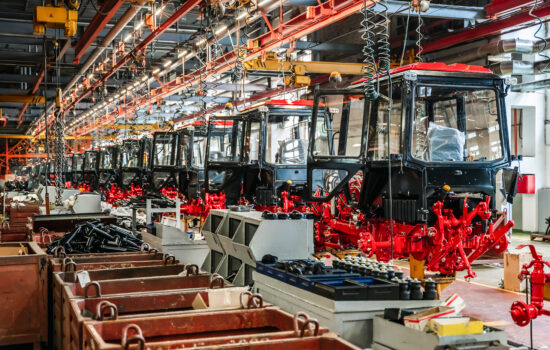
In industrial manufacturing processes, the fasteners you choose can significantly impact on the performance, durability, and safety of the finished product – which in turn impacts on the reputation and profitability of your business.
From agriculture equipment to truck bodies and coaches, the fasteners you use will determine the structural integrity of the products you manufacture – so a good knowledge of the available options, as well as the pros and cons of each, is essential.
With over 50 years of expertise in the fastener industry, we understand the critical role that selecting the appropriate fastener plays in industrial applications. This guide will walk you through the key factors to consider when choosing fasteners for your manufacturing operations.
What are the main fastener types?
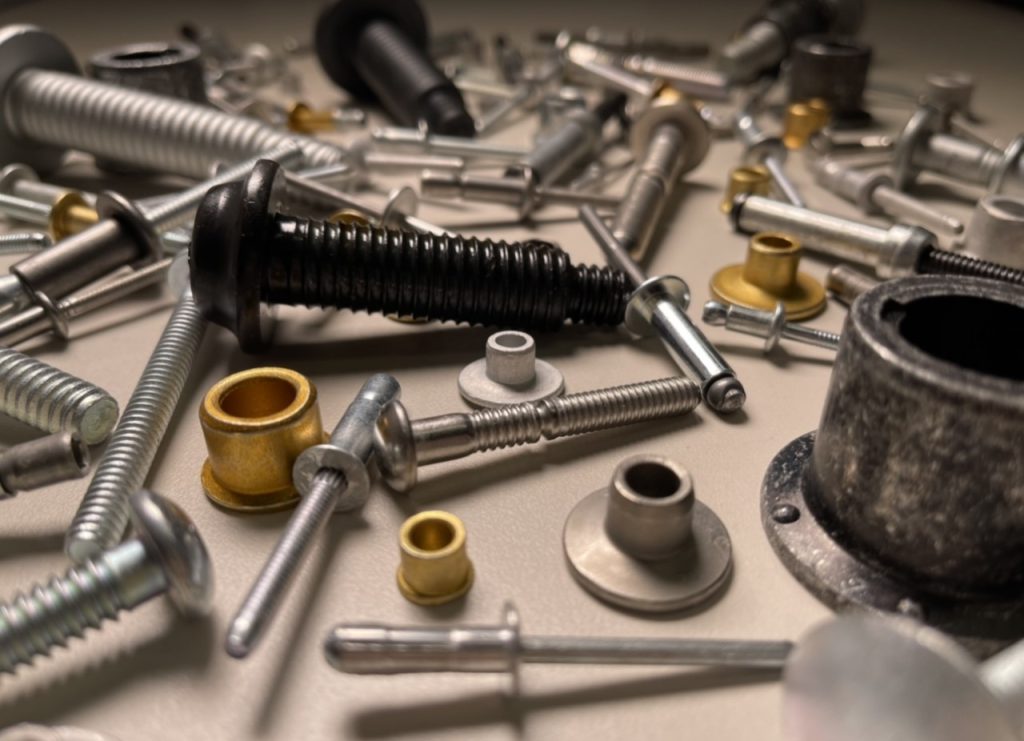
Industrial fasteners come in various forms, each designed for specific applications. The most common types include rivets, blind structural fasteners, and threaded inserts. Here’s a look at the features of and differences between each type:
Blind Rivets
Ideal for applications where access is limited to one side of the assembly, blind rivets are fasteners that provide strong, reliable joints and a good level of vibration resistance, ensuring that vehicle bodies don’t become rattly or noisy over time.
Blind Structural Fasteners
These are a step up from standard blind rivets, offering superior strength and load-bearing capabilities. They’re used extensively in heavy-duty applications, including truck bodies and railcars, and also for manufacturing mechanical components where structural integrity is paramount.
Lockbolts
A lockbolt is a two-piece fastener consisting of a pin and a collar. The installation process involves swaging the collar onto the pin, creating a permanent, high-strength joint that is resistant to vibration. Lockbolts are often used in applications requiring maximum clamp load and durability such as in truck chassis, railway carriages, and heavy machinery.
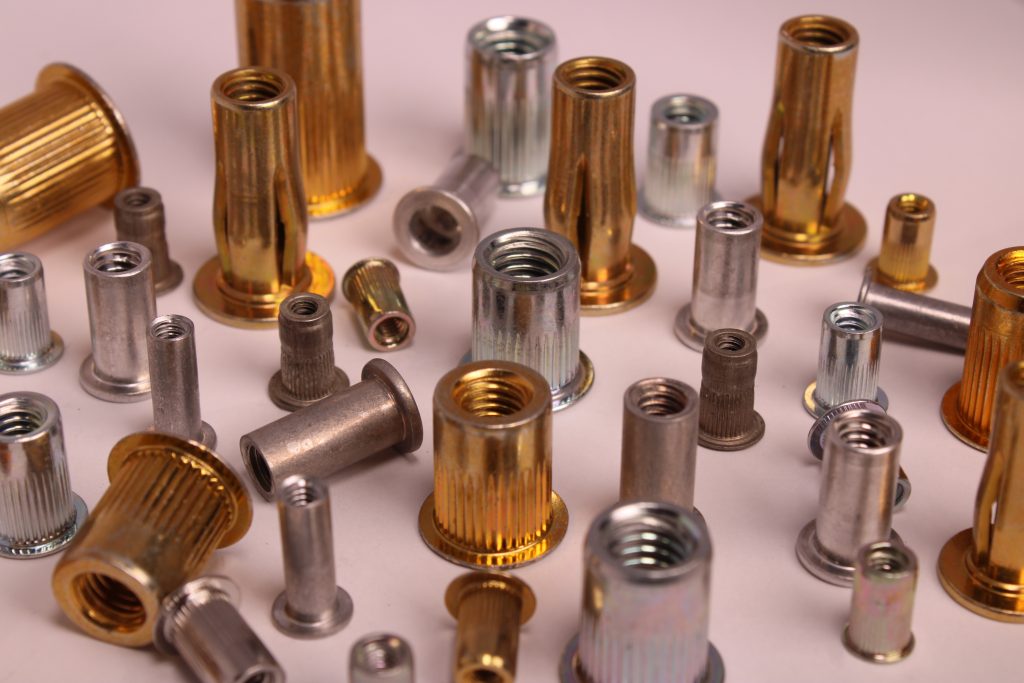
Threaded Inserts
A threaded insert is a cylindrical metal sleeve with internal threads that is inserted into a hole in a softer material, like plastic or wood, to provide a strong, durable thread. They are typically used to lend strength to joints in soft or thin materials, and also where joints will require frequent disassembly and reassembly for maintenance purposes.
Understanding load requirements
Understanding the load requirements of your application is essential in selecting the right fastener. There are three main types of load that a joint may be subjected to – tensile, shear, and torque.
Tensile Load
Fasteners must withstand pulling forces without breaking. For example, in automotive applications such as securing engine components or industrial machinery, fasteners are subjected to high tensile loads and must be strong enough to resist these forces to ensure safety and reliability.
Shear Load
Fasteners must resist forces that attempt to slide them apart. In applications like drive shaft assemblies or mounting brackets, shear strength is critical to ensure that components remain securely attached under various stresses, including vibration and dynamic loads.
Torque Load
Torque is the rotational force applied during the installation of a fastener, such as tightening bolts in an engine or industrial equipment. Properly applied torque ensures the fastener creates the necessary clamping force to hold components together securely without over tightening, which could cause failure, or under-tightening, which could lead to loosening during operation.
Calculating the expected load and choosing a fastener with an appropriate strength rating, including considerations for tensile, shear, and torque, will prevent joint failures and enhance the safety and reliability of your product. We provide expert consultancy to help you with the selection process.
Selecting fasteners for challenging environments
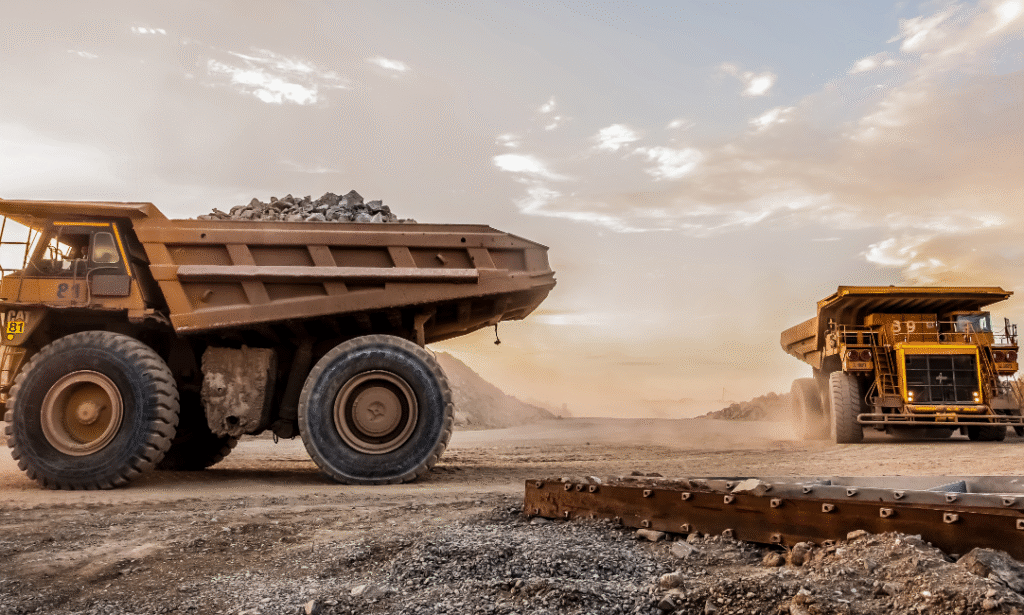
Another consideration when selecting the right fasteners for a particular manufacturing operation is the operating environment.
Vehicles and machinery that have to operate in extremes of temperature, or in the presence of corrosive agents and chemicals, need to be constructed using fasteners that can withstand these challenges.
In environments exposed to saltwater or chemicals, such as marine or industrial applications, corrosion-resistant fasteners like stainless steel or coated fasteners are necessary to prevent rust and degradation. In high-temp environments, specialist materials or specific metal alloys may be required.
Ease of installation and maintenance
Installation and maintenance are practical considerations that can impact both the initial assembly and the long-term serviceability of your product, as well as the overall efficiency and profitability of your manufacturing operations. Selecting fasteners (and tooling systems) that make installation quick, precise and repeatable is essential. Here are some things to consider:
How easy are the fasteners to install?
Fasteners that are easy to install can reduce assembly time and costs. We offer a wide range of fasteners designed for speed and to eliminate extra steps from the manufacturing process. Ease of installation also extends to the tooling systems used – for example, paying attention to the weight and ergonomic design of tools, or selecting cordless systems for added safety and manoeuvrability.
Can the fasteners be removed?
Whilst the majority of fasteners are permanent, some applications require frequent disassembly, for example, for vehicle and machinery parts that require regular servicing. The use of quality threaded inserts and bolt or screws ensures these processes can be repeated over and over without degrading the material or joint.
Industry compliance
Finally, it’s essential to ensure the fasteners you choose comply with industry standards and regulations, especially in sectors like transportation and agriculture.
At Applifast, we have the expertise to help you select the correct fasteners to ensure your operations meet or exceed industry requirements, ensuring safety, compliance and reliability in your projects.
Need help selecting fasteners?
With over 50 years of experience in the fastener industry, we are here to help you make the best choices for your projects, ensuring safety, durability, and efficiency in every application. Get in touch for expert advice today.